


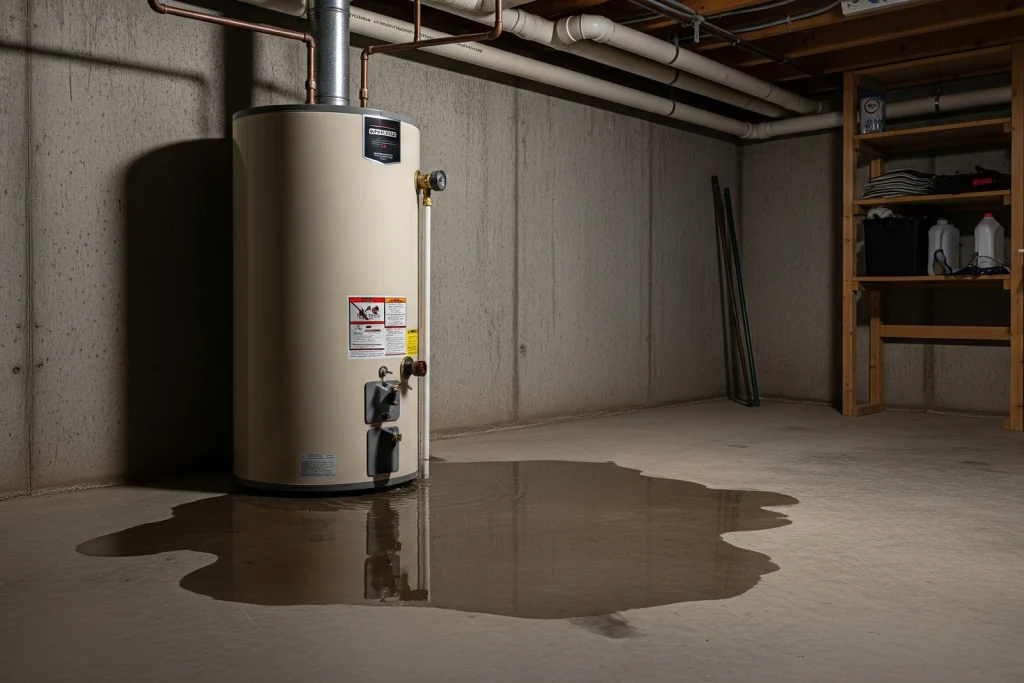
A small plumbing problem can become a major home repair surprisingly quickly. A frozen pipe can burst while you are away. A slow water heater leak can damage the floor beneath it. A sewer line blockage can send wastewater back through the lowest drains in your home.
The good news is that many of the most expensive plumbing emergencies can be prevented, or at least discovered before extensive damage occurs.
Central Heating Cooling Plumbing Electrical has served homeowners throughout Kalispell, Whitefish, Columbia Falls, Bigfork, Polson, Lakeside, Somers and the surrounding Flathead Valley for 34 years. Here are five of the costliest plumbing disasters our team encounters and practical steps you can take to protect your home.
1. Burst or Frozen Pipes
How Pipes Burst
Pipes can burst because of freezing temperatures, corrosion, damaged fittings or excessive water pressure.
Frozen pipes are an especially serious concern in Northwest Montana. When water freezes inside a pipe, it expands and creates pressure between the blockage and the nearest closed fixture. The pipe may split, but the leak might not become visible until the ice begins to thaw.
A burst pipe can release a large amount of water into walls, ceilings, insulation, flooring and personal belongings before the main water supply is shut off.
How to Prevent Burst Pipes
- Insulate exposed pipes in crawl spaces, garages, basements and areas near exterior walls.
- Disconnect outdoor hoses before freezing weather arrives.
- Keep garage doors closed when plumbing lines run through the garage.
- Open sink cabinet doors during extreme cold so warm indoor air can reach the pipes.
- Maintain consistent heat throughout the home, including unused rooms.
- Know where your main water shutoff valve is located and make sure everyone in the household can operate it.
- Have your water pressure tested and install a pressure regulator when needed.
- Watch for rust, discoloration, recurring leaks or other signs that older pipes may require professional repiping.
If you turn on a faucet during cold weather and only a trickle comes out, the pipe may already be frozen. Shut off the water and contact a plumber before attempting to thaw a pipe hidden inside a wall.
2. Sewer Line Backups
How Sewer Backups Occur
A sewer backup happens when wastewater can no longer flow away from your home. It may return through a floor drain, shower, bathtub or other low plumbing fixture.
Common causes include grease buildup, damaged sewer pipes, tree root intrusion, shifting soil and items that should never have been flushed. Products marketed as flushable can also create blockages because they may not break apart as quickly as toilet paper.
Warning Signs of a Sewer Line Problem
- Several drains becoming slow at the same time
- Gurgling sounds from toilets, tubs or sinks
- Water rising in a shower or floor drain when a toilet is flushed
- Sewage odors inside or outside the home
- Recurring drain clogs that return after being cleared
- Unusually green or wet areas above the buried sewer line
How to Prevent a Sewer Backup
- Flush only human waste and toilet paper.
- Keep wipes, paper towels, hygiene products, dental floss and cat litter out of toilets.
- Never pour grease, cooking oil or fat down a kitchen drain.
- Address recurring clogs instead of repeatedly treating the symptoms.
- Schedule a professional sewer line camera inspection when you suspect root intrusion, pipe damage or a recurring blockage.
- Ask a plumber whether a backwater valve would be appropriate for your home.
A sewer camera inspection allows a plumber to see the inside of the line and identify roots, cracks, collapsed sections, offset joints and heavy buildup without relying on guesswork.
3. Water Heater Leaks or Tank Failure
How Water Heaters Fail
Traditional tank-style water heaters can leak because of internal corrosion, sediment buildup, excessive water pressure, loose connections or a failed temperature and pressure relief valve.
Some leaks begin slowly around a connection or valve. Others occur when the tank itself corrodes and releases a significant amount of water. The potential damage is especially serious when the water heater is installed on an upper floor, in a finished basement or near stored belongings.
Signs Your Water Heater Needs Attention
- Water collecting beneath or around the tank
- Rust or corrosion near fittings and valves
- Discolored or rusty hot water
- Popping, rumbling or banging sounds
- Hot water running out sooner than usual
- Inconsistent water temperature
- Moisture or staining around the drain pan
How to Reduce the Risk of Water Heater Damage
- Install a properly sized drain pan and drain line, especially when the water heater is located above a finished area.
- Inspect the area around the tank regularly for moisture, corrosion or staining.
- Have sediment flushed from the tank as recommended for your system and water conditions.
- Have the anode rod inspected and replaced when necessary to help protect the tank from internal corrosion.
- Make sure the temperature and pressure relief valve is properly installed and unobstructed.
- Consider installing a leak detector or automatic water shutoff device near the water heater.
- Schedule a professional inspection when an older water heater begins making noise, producing rusty water or showing signs of corrosion.
A leaking water heater tank generally cannot be repaired. Early detection gives you time to plan a replacement before the tank fails completely.
4. Hidden Plumbing Leaks
Why Hidden Leaks Are So Expensive
A hidden leak behind a wall, beneath a floor or inside a ceiling can continue for weeks or months before it becomes obvious. During that time, moisture can damage drywall, framing, insulation, cabinets and flooring. It can also create conditions that allow mold and mildew to grow.
Leaks may develop at pipe joints, fixture connections, supply lines, appliance hoses, toilet seals or pipes damaged by corrosion, freezing or movement.
Signs of a Hidden Water Leak
- An unexplained increase in your water bill
- The sound of running water when no fixtures are being used
- Water stains on walls or ceilings
- Soft, warped or discolored flooring
- Peeling paint or bubbling drywall
- Musty odors or recurring mildew
- A water meter that continues moving when all fixtures are off
- Warm or damp areas on the floor that could indicate a leaking hot water line
Two Easy Leak Tests
- Water meter test. Turn off every fixture and water-using appliance. Note the reading on the water meter, then check it again an hour later. If the reading has changed, there is a leak on the property.
- Toilet dye test. Put a few drops of food coloring in the toilet tank and do not flush. If color shows up in the bowl within 15 to 30 minutes, the toilet is leaking.
How to Prevent Serious Leak Damage
- Check beneath sinks and around toilets, washing machines, dishwashers and refrigerators regularly.
- Replace worn appliance supply hoses before they fail.
- Pay attention to unexplained changes in your monthly water use.
- Install leak sensors near water heaters, washing machines, sump pumps and other high-risk areas.
- Consider a whole-home leak detection system that can automatically shut off the water when abnormal flow is detected.
- Know how to shut off water to individual fixtures and to the entire home.
- Before leaving for an extended period, consider shutting off the main water supply and following an appropriate winterization plan.
Do not ignore a small stain, occasional drip or unexplained musty smell. Finding and repairing a leak early is usually much less disruptive than repairing the water damage it eventually causes.
5. Severe or Recurring Drain Clogs
How Drain Clogs Develop
Most drain clogs build gradually. Hair, soap residue, grease, food waste, mineral deposits and other debris collect inside the pipe until water can no longer pass freely.
A single slow sink may indicate a clog near that fixture. Multiple slow drains can point to a deeper blockage in a branch line or the main sewer line.
How to Prevent Clogged Drains
- Use drain screens to catch hair, food particles and other debris.
- Place grease and cooking oil in a sealed container instead of pouring them into the sink.
- Scrape food waste into the trash or compost before washing dishes.
- Run plenty of water when using a garbage disposal.
- Keep coffee grounds, eggshells, fibrous vegetables and expandable foods out of the disposal.
- Remove visible hair and buildup before it enters a bathroom drain.
- Use a plumbing-safe biological or enzyme-based drain maintenance product when appropriate.
- Avoid relying on harsh chemical drain cleaners, which may damage some pipes and create hazards for anyone working on the drain.
- Schedule professional drain cleaning when a clog is recurring, affecting multiple fixtures or causing wastewater to back up.
Repeatedly clearing the same drain without identifying the cause can allow a damaged pipe, root intrusion or main-line blockage to become more serious.
Additional Ways to Protect Your Flathead Valley Home
A few preventive steps can help limit damage from nearly any plumbing emergency:
- Locate your main shutoff valve: Label it clearly and test it periodically so it will operate when you need it.
- Inspect plumbing connections: Look beneath sinks and around appliances for corrosion, moisture or loose fittings.
- Protect unoccupied homes: Arrange for someone to check the property during freezing weather or install remote temperature and leak monitoring.
- Test your sump pump: Make sure it operates before snowmelt or heavy rain creates groundwater problems.
- Address high water pressure: Excessive pressure can strain pipes, valves, fixtures, water heaters and appliance connections.
- Respond to warning signs: Slow drains, unusual noises, changing water pressure and unexplained moisture rarely improve on their own.
- Fix a toilet that needs its handle held or jiggled: The flush parts are worn. They cost little to replace and save water.
- Clean mineral deposits from shower heads: Fill a zip-top bag with white vinegar, secure it over the shower head with rubber bands, and leave it for 24 hours.
A Simple Plumbing Maintenance Schedule
- Every month: Check the garbage disposal for leaks under the sink and listen for unusual noises.
- Every 6 months: Check toilets for leaks around the base and inside the tank, test the flush and make sure the toilet is secure. Check faucets for drips, and clean the aerators. Replace water filtration filters as the manufacturer recommends, and check their connections for leaks.
- Every year: Have the water heater checked for sediment, the anode rod inspected and the temperature and pressure relief valve tested. Look over exposed pipes for leaks and corrosion, and check the water pressure. Test the sump pump before the rainy season.
- Every 1 to 2 years: Have a plumber check the drains and sewer line. The plumber can clear clogs and run a camera inspection for a thorough look.
What to Do During a Plumbing Emergency
- Shut off the main water supply or the valve serving the affected fixture.
- Turn off electricity to wet areas only when it is safe to reach the electrical panel.
- Keep people and pets away from wastewater or standing water near electrical equipment.
- Move valuables away from the affected area when it is safe to do so.
- Contact a professional plumber and describe where the water is coming from.
- Document visible damage for your insurance provider before beginning major cleanup.
If you smell gas or suspect a problem involving gas piping, leave the area immediately and contact the gas utility or emergency services from a safe location.
When Should You Call a Professional Plumber?
Contact a professional plumber when you notice:
- Water appearing where it should not be
- A pipe that is frozen, bulging or actively leaking
- Recurring clogs or drain backups
- Several slow drains at the same time
- Sewage odors or wastewater entering the home
- Low or fluctuating water pressure throughout the house
- Rust, moisture or corrosion around the water heater
- Water stains, warped flooring or unexplained mold growth
- A plumbing problem involving a gas line
- A leak you cannot safely locate or isolate
Prevent Plumbing Problems Before They Become Disasters
The most expensive plumbing disasters rarely begin as major emergencies. They often start with a slow drain, a small leak, an unusual noise or a pipe that has been exposed to cold for too long.
Regular inspections and timely repairs can help protect your home, reduce water waste and give you more control over when major plumbing work is completed.
When something does not look, sound or smell right, Central Heating Cooling Plumbing Electrical is ready to help. Our experienced team provides professional plumbing repair throughout Kalispell, Whitefish, Columbia Falls, Bigfork, Polson, Lakeside, Somers and the surrounding Flathead Valley.
Request plumbing service from Central Heating Cooling Plumbing Electrical and get the problem taken care of before it becomes a more expensive repair.