

In Montana, power outages aren’t just inconvenient—they can threaten comfort, safety, and even your home during winter storms and high winds. A professionally installed whole-home generator can help protect your home during an outage and may also boost resale appeal.
Quick answer: A whole-home standby generator can increase perceived home value and marketability—especially in outage-prone areas—because it adds reliability, safety, and “move-in-ready” peace of mind for buyers.
Table of Contents
- How a Generator Can Affect Home Value
- ROI, Resale Appeal, and What Buyers Notice
- Benefits of a Whole-Home Generator
- Common Causes of Power Outages in Montana
- Installation Basics: Transfer Switches, Permits, and Safety
- How to Choose the Right Size Generator
- FAQ: Home Value, Insurance, and Generator Types
- Schedule a Generator Consultation
How a Generator Can Affect Home Value
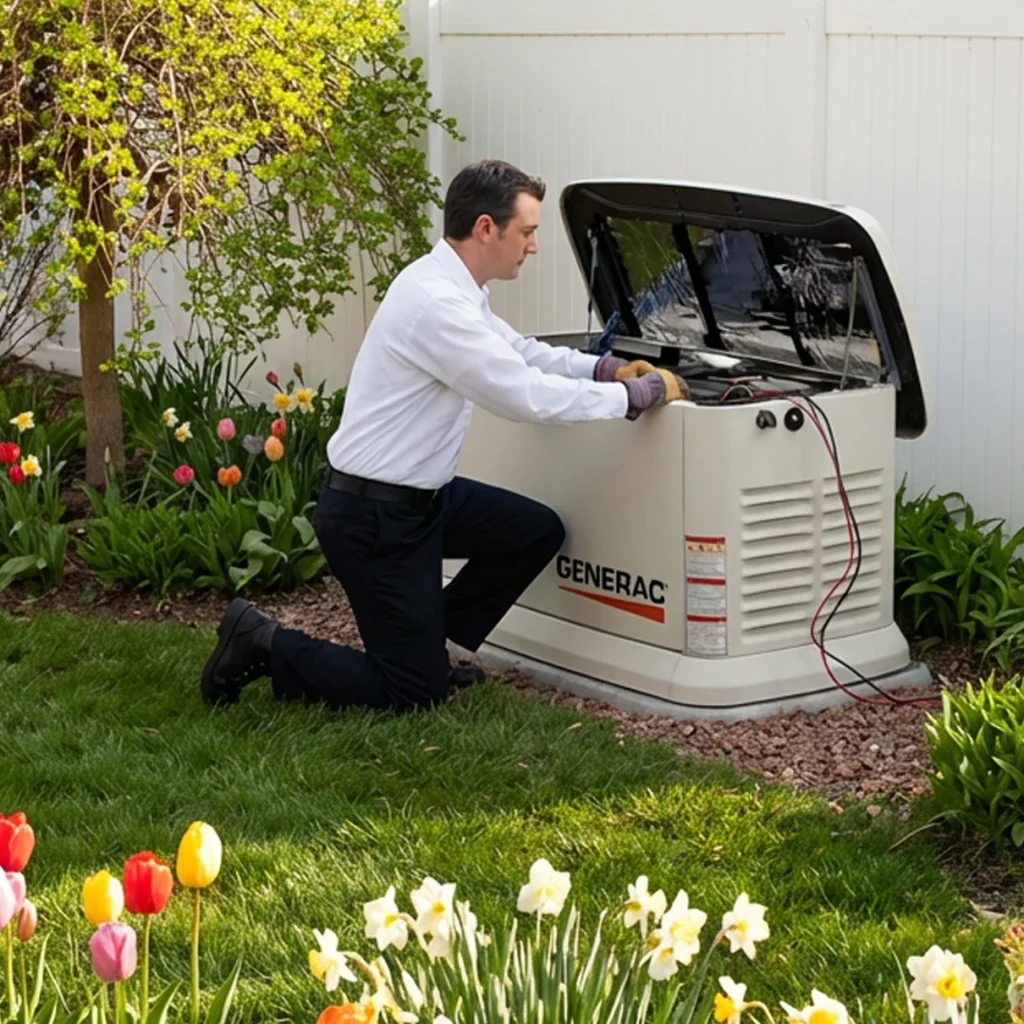
A standby generator is a permanent home upgrade that can make a property more attractive to buyers—particularly in regions where outages are expected. Unlike portable units, a standby generator is integrated into your home’s electrical system and can turn on automatically when utility power fails.
From a resale standpoint, a generator can support home value in three practical ways:
- Buyer confidence: Buyers may view the home as better prepared for storms, winter cold snaps, and extended outages.
- Reduced perceived risk: Automatic backup power helps protect essentials like heating equipment, well pumps, sump pumps, refrigeration, and medical devices.
- Convenience factor: A professionally installed standby system is “built-in,” not a DIY workaround that the next owner has to manage.
ROI, Resale Appeal, and What Buyers Notice
Real estate value is influenced by neighborhood comps, overall condition, and what buyers prioritize in your market. In storm-prone areas, backup power can become a standout differentiator—especially for homes that rely on electricity for heating components, blowers, controls, or well systems.
What buyers tend to notice most:
- Automatic operation: The generator starts on its own within seconds of an outage.
- Whole-home capability: Powering key circuits (or the entire home) without extension cords.
- Professional installation: A code-compliant transfer switch and permitted electrical work.
- Maintenance history: Regular inspections and service improve reliability and confidence.
Important note: Value impact varies. Some homes see an easier sale or stronger offers more than a precise appraisal bump. The benefit is often a mix of resale appeal, practical protection, and daily peace of mind.
Benefits of a Whole-Home Generator
A standby generator is designed to keep essential systems running when the grid goes down—without scrambling for flashlights, worrying about frozen pipes, or losing food in the freezer.
- Keep working during outages: If you work remotely, backup power keeps internet equipment, lighting, and essential electronics running.
- Protect critical equipment: Maintain power for refrigeration, heating components, sump pumps, well pumps, and medical equipment.
- Stay comfortable and safe in winter: Montana outages can lead to rapid indoor temperature drops. Backup power helps keep heating support systems operating and maintains basic comfort.
- Reduce outage-related damage risk: Prevent secondary problems like frozen pipes, basement water issues, or spoilage.
- Potential insurance advantages: Some insurers may recognize risk-reducing upgrades. Ask your provider whether standby power qualifies for any discounts.
Common Causes of Power Outages in Montana
Outages can happen for many reasons, but in Montana, weather is a frequent trigger—especially wind, heavy snow, ice, and downed tree limbs impacting lines and equipment.
Other common causes include:
- Wildlife contact (birds, squirrels, and other animals damaging equipment)
- Faults at substations or power stations
- Transmission or distribution line damage
- Short circuits or equipment failure
- Major regional events (storms, wildfire impacts, or severe conditions)
Installation Basics: Transfer Switches, Permits, and Safety
A whole-home generator should be installed by a licensed professional. Proper installation is essential for safety and for protecting utility workers and your home’s electrical system.
Key components of a professional installation include:
- Automatic transfer switch (ATS): Prevents backfeeding into utility lines and safely transfers your home between utility power and generator power.
- Load planning: Deciding whether to power the entire home or prioritize essential circuits.
- Code compliance and permitting: Ensures your system is installed to local requirements.
- Safe placement and fuel considerations: Proper clearances, ventilation, and secure fuel connections.
Learn more about transfer switch essentials here: Generator Transfer Switches.
How to Choose the Right Size Generator
Generator sizing should match what you want to power during an outage. Many homeowners choose one of two strategies:
- Essential-circuit backup: Power critical items like heating support systems, refrigeration, well/sump pumps, lighting, and outlets.
- Whole-home backup: Designed to power most or all electrical loads, including larger appliances, depending on the system.
A professional assessment helps ensure your system is sized correctly, avoids overloads, and delivers the experience you expect when power goes out.
FAQ: Home Value, Insurance, and Generator Types
Does a portable generator increase home value?
Usually not in the same way. Portable generators can help in an emergency, but they’re not permanent upgrades and often require manual setup. Buyers typically value standby systems more because they’re integrated and automatic.
Will a standby generator increase an appraisal value?
It can, but it depends on your area, comparable properties, and how appraisers treat backup power features. Even when the appraisal impact is modest, generators can improve buyer appeal and reduce time-on-market in outage-prone regions.
Can a generator lower homeowners insurance?
Some insurers may offer incentives for certain risk-reducing upgrades. Discounts vary widely. Call your provider and ask whether a professionally installed standby generator qualifies.
What’s the most important safety feature in a generator install?
A properly installed transfer switch (often an automatic transfer switch) is critical. It prevents backfeeding power into utility lines and protects your home’s electrical system.
Is a generator worth it in rural Montana?
For many rural homeowners, outages can last longer due to distance and conditions. If you rely on electricity for well pumps, heating support systems, refrigeration, or medical needs, standby power can be a strong investment in resilience.
Schedule a Generator Consultation in the Flathead Valley
If you’re considering a whole-home generator to improve resilience, comfort, and resale appeal, the next step is a professional evaluation for sizing, placement, and safe installation.
Central Heating Cooling Plumbing Electrical serves the Flathead Valley, including Kalispell, Whitefish, Columbia Falls, Bigfork, Polson, Lakeside, and Somers.