

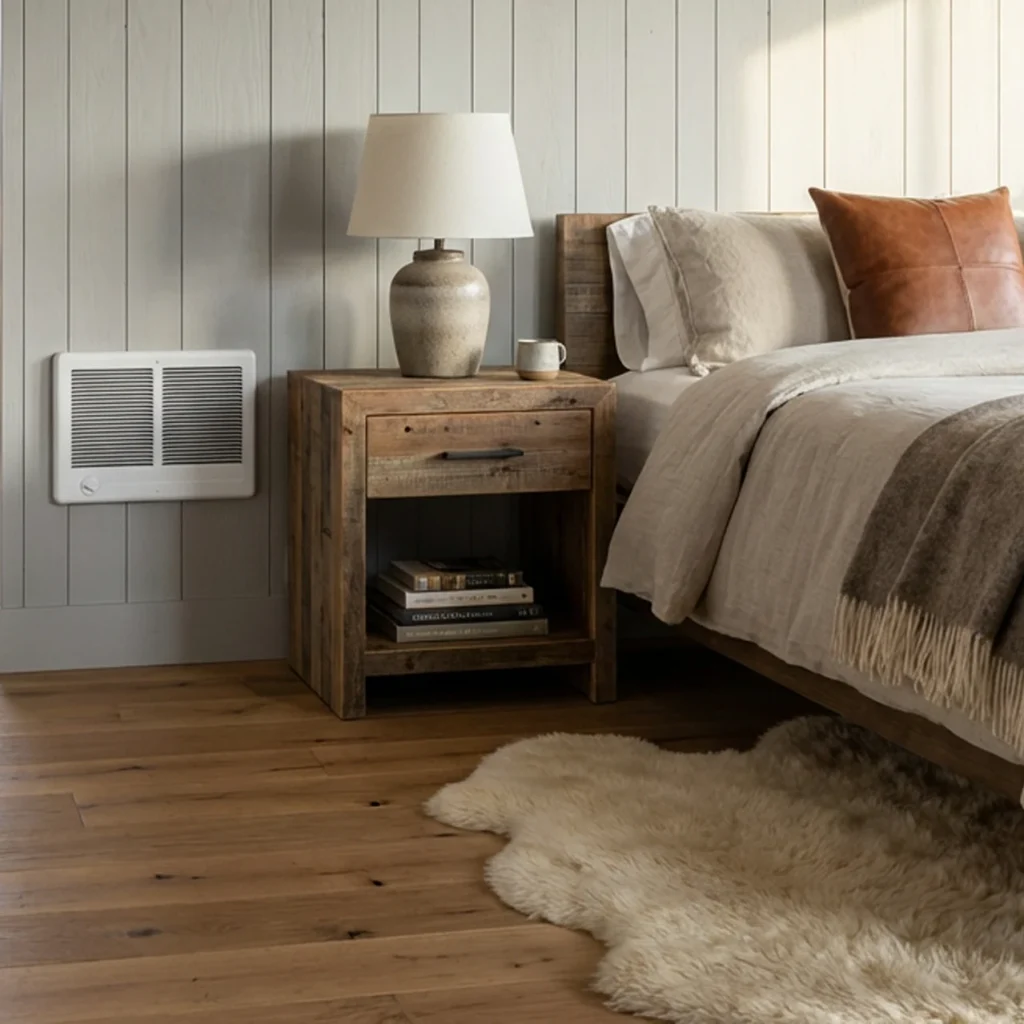
Electric wall heaters can be a smart way to add targeted comfort during Montana winters, especially when you need reliable heat in a specific area without extending ductwork. They are commonly used as supplemental heat in finished basements, bedrooms, home offices, mudrooms, and additions. In certain layouts, they can also support a zoned heating strategy that helps keep the rooms you actually use warm without overheating the rest of the home.
The home comfort experts at Central Heating Cooling Plumbing Electrical have put together a homeowner-friendly guide to how electric wall heaters work, their biggest benefits, what they cost to operate, and the most important safety and installation considerations for homes in the Flathead Valley.
When Are Electric Wall Heaters a Good Choice?
Electric wall heaters tend to be a strong fit when you want quick, controllable heat in a single room or zone. They are especially useful in these scenarios:
- Home additions and remodels where extending a forced-air system is expensive or impractical
- Rooms that run colder (north-facing bedrooms, over-garage rooms, corners of older homes)
- Finished basements that need dependable warmth without a major HVAC project
- Home offices and guest rooms where you want comfort only when the space is in use
- Homes without ductwork that need a simple heating option for specific spaces
If your goal is whole-home heating, a wall heater may not be the best primary solution in most Montana homes. In that case, you may want to explore systems designed for whole-home performance such as ductless heating, furnace replacement, or other modern heating options.
Key Benefits of Electric Wall Heaters
1) Fast, On-Demand Heat
Electric wall heaters warm up quickly. In many rooms, you’ll feel the heat within minutes of turning the unit on. That rapid response is one reason they’re popular for guest spaces, offices, and bathrooms where you don’t want to heat the area all day.
2) Zoned Comfort for the Rooms You Use Most
Most households spend the majority of their at-home time in just a few rooms. With an electric wall heater, you can keep your most-used spaces comfortable without pushing your central system to heat the entire home to the same temperature. This “zone heating” approach can improve comfort and reduce wasted heat in unused areas.
3) Precise Temperature Control
Wall heaters typically offer straightforward temperature control. Many can be paired with an in-wall thermostat for better accuracy and consistency. This makes it easier to keep a bedroom, office, or basement at a stable temperature without constant adjustments.
4) Space-Saving Design
Because the unit is installed in the wall, electric wall heaters preserve floor space. That makes them a practical fit for smaller rooms, offices, and tight layouts where baseboard units or portable heaters are inconvenient.
5) Cleaner, More Permanent Than Portable Space Heaters
Portable space heaters can be helpful in a pinch, but they’re easy to misuse. A properly selected and professionally installed wall heater is a permanent solution that avoids cords across walkways and reduces the temptation to place a heater too close to bedding, curtains, or furniture.
Are Electric Wall Heaters Energy Efficient?
Electric wall heaters are highly efficient at the point of use, meaning nearly all the electricity they draw becomes heat in the room. The real question for homeowners is operating cost, because electricity rates and usage patterns determine your monthly impact.
In Montana, electric wall heaters can be cost-effective when they are used as supplemental heat or for zoning (heating only the rooms you need, when you need them). They are less cost-effective if they become the primary heat source for large areas that run many hours per day.
If you’re trying to lower your heating bills overall, start with the basics: air sealing, insulation, thermostat strategy, and system maintenance. These energy-saving tips can help you improve comfort while reducing unnecessary runtime.
What Does It Cost to Run an Electric Wall Heater?
Operating cost depends on the heater size (wattage), how long it runs, and your electricity rate. As a simple rule, higher wattage and longer runtime increase cost. This is why wall heaters work best for targeted comfort instead of whole-home heating.
- Best use case: short bursts of heat in a single room
- Less ideal use case: heating large open areas for many hours daily
If you want a clear recommendation for your home, a professional can evaluate room size, insulation, layout, and electrical capacity, then help you choose an option that balances comfort and cost.
Safety: What Homeowners Should Know
Electric wall heaters can be a safe heating solution when installed correctly and used responsibly. Safety comes down to three things: proper placement, proper electrical supply, and safe clearances.
Common Safety Best Practices
- Keep furniture, curtains, and bedding a safe distance away from the heater
- Do not block the heater or cover the grille
- Use the correct thermostat and controls recommended for the heater
- Never use extension cords or temporary wiring
- Replace noisy, damaged, or malfunctioning units promptly
Why Professional Installation Matters
Many wall heaters require a dedicated circuit and correct wire sizing, along with safe mounting and proper clearances inside the wall cavity. A professional installation helps ensure the unit is matched to the room and connected safely, reducing the risk of overheating, nuisance tripping, or electrical hazards.
If you’re planning a remodel, addition, or replacing an older heater, consider scheduling professional help through our heating installation team.
Electric Wall Heaters vs Other Heating Options
Not sure if an electric wall heater is the best fit? Here’s a quick comparison to help guide the decision:
- Electric wall heaters: best for fast, targeted heat in individual rooms
- Portable space heaters: short-term use, higher misuse risk, not a permanent solution
- Baseboard heaters: can be effective but take up wall space and may heat less evenly
- Ductless mini-splits: efficient zoned heating and cooling, great for larger areas and frequent use
If you want whole-room comfort with high efficiency and the added benefit of cooling, ductless heating may be the better long-term solution for many Flathead Valley homes.
Electric Wall Heaters FAQ
Are electric wall heaters safe for bedrooms?
They can be, as long as they are properly installed, have adequate clearance from bedding and furniture, and are controlled by the correct thermostat. Avoid placing beds, curtains, or dressers too close to the unit.
Do electric wall heaters require a dedicated circuit?
Many do. Requirements vary by heater size and the home’s electrical panel capacity. A professional can confirm wiring needs and help ensure safe, code-compliant installation.
Are electric wall heaters expensive to run?
They can be affordable when used for targeted heating in a single room, but costs rise with higher wattage and long runtimes. If you’re using a heater for hours every day, it may be worth evaluating more efficient heating options.
Need Help Choosing or Installing an Electric Wall Heater?
If you already have an electric wall heater that needs replacement or you’re planning a remodel and want a safe, dependable heating option, Central Heating Cooling Plumbing Electrical can help you choose the right solution for your space.
We serve homeowners across the Flathead Valley, including Kalispell, Whitefish, Columbia Falls, Bigfork, Polson, Lakeside, and Somers.