


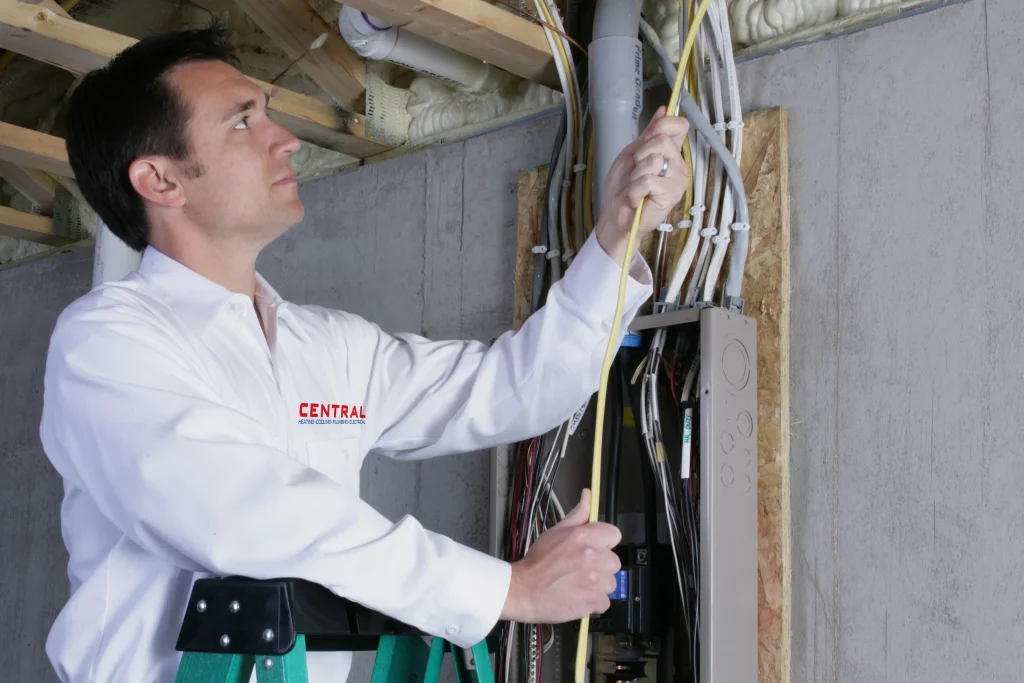
Older homes throughout Kalispell, Whitefish, Columbia Falls, and the surrounding Flathead Valley often have character, mature neighborhoods, great views, and a long history. What they may not always have is an electrical system designed for the way Montana families live today.
When a home was built decades ago, the original wiring may have been sized for a much lighter electrical load. Today, homeowners depend on computers, large appliances, home offices, smart TVs, Wi-Fi equipment, air conditioning, electric vehicle chargers, hot tubs, workshop tools, generators, security systems, and many other devices that older electrical systems were never designed to support.
That does not mean every older home automatically needs a complete rewire. It does mean that homes with outdated wiring, overloaded circuits, ungrounded outlets, aluminum wiring, damaged insulation, or frequent electrical problems should be inspected by a licensed electrician. In some cases, targeted repairs are enough. In others, partial or whole-home rewiring may be the safest and most practical long-term solution.
Central Heating Cooling Plumbing Electrical provides professional electrical services in Kalispell and the Flathead Valley, including inspections, electrical repairs, panel upgrades, outlet installation, remodeling wiring, and home rewiring.
What Does It Mean to Rewire a House?
Rewiring a house means replacing outdated, unsafe, damaged, or inadequate electrical wiring with modern wiring that is properly sized, grounded, protected, and installed for the home’s current electrical needs. Depending on the condition of the home, rewiring may include:
- Replacing old branch circuit wiring
- Adding grounded outlets
- Updating switches, receptacles, and junction boxes
- Adding dedicated circuits for appliances or equipment
- Replacing unsafe or damaged wiring insulation
- Correcting overloaded or poorly modified circuits
- Improving electrical safety in kitchens, bathrooms, garages, basements, and outdoor areas
- Upgrading wiring during a remodel or room addition
- Coordinating rewiring with an electrical panel upgrade when needed
A licensed electrician can determine whether the home needs a full rewire, a partial rewire, a panel upgrade, new dedicated circuits, or specific safety corrections.
Why Houses May Need Rewiring
1. Older Wiring Can Deteriorate Over Time
Electrical wiring is built to last, but it does not last forever. Over many decades, insulation can become brittle, connections can loosen, outlets and switches can wear out, and previous repairs or remodeling work may leave behind wiring that is no longer safe or dependable.
This is especially important in older homes where electrical systems may have been altered multiple times by different owners, contractors, or handymen. A home can look beautiful on the surface while hidden wiring inside the walls, attic, crawlspace, basement, or garage needs professional attention.
2. Older Homes Were Not Built for Today’s Electrical Demand
A home built 40, 50, or 70 years ago was not designed for modern electrical usage. Many older houses have too few outlets, limited circuits, smaller electrical panels, and wiring layouts that made sense for a different era.
In many Flathead Valley homes, the electrical system now supports far more than basic lights and appliances. Homeowners may be adding air conditioning, ductless systems, hot tubs, home office equipment, freezers, power tools, landscape lighting, sump pumps, generators, and smart home devices. When too much demand is placed on older circuits, the result can be nuisance breaker trips, overheating, damaged wiring, or increased fire risk.
3. Two-Prong Outlets May Not Be Grounded
Many older homes still have two-prong outlets. These outlets often indicate that the circuit may not have an equipment grounding conductor. Grounding is an important safety feature that helps protect people and electronics if a fault occurs.
Simply replacing a two-prong outlet with a three-prong outlet does not necessarily make the circuit grounded. The wiring behind the outlet must be evaluated. In some cases, a licensed electrician may recommend rewiring the circuit, adding GFCI protection, updating the outlet configuration, or making other code-compliant corrections.
If your home still has many two-prong outlets, it is worth scheduling an electrical inspection.
4. Aluminum Wiring May Be Present in Some Homes
Some homes built or remodeled during the 1960s and 1970s may contain aluminum branch circuit wiring. Aluminum wiring is not the same as copper wiring, and it can create safety concerns if it was not installed, maintained, or connected properly.
Aluminum wiring can expand and contract differently than copper. Over time, connections may loosen, which can cause overheating at outlets, switches, fixtures, and junction points. If your home has aluminum wiring, do not ignore it and do not attempt DIY corrections. A licensed electrician should inspect the system and recommend the appropriate repair, replacement, or approved mitigation method.
5. There May Not Be Enough Outlets
One of the most common signs of an outdated electrical system is a lack of outlets. If a room depends on extension cords, outlet splitters, or power strips for everyday use, the electrical system may need to be updated.
Extension cords are intended for temporary use, not as a permanent wiring solution. When they are overloaded, pinched, hidden under rugs, or used to power large appliances, they can create a safety hazard. Rewiring or adding new circuits and outlets can make the home safer, more convenient, and better suited for daily life.
Central Heating Cooling Plumbing Electrical provides professional outlet installation for homeowners who need safer, more convenient access to power.
6. Remodeling Often Requires Electrical Updates
Kitchen remodels, bathroom remodels, basement finishes, additions, garage upgrades, and laundry room renovations often require electrical changes. New appliances, lighting, ventilation, outlets, and dedicated circuits may be needed to meet the layout and load requirements of the remodeled space.
This is one of the best times to correct outdated wiring because walls, ceilings, cabinets, and fixtures may already be open or accessible. We also provide electrical remodeling services for homeowners updating or improving their homes.
7. New Appliances May Require Dedicated Circuits
Modern appliances can place a significant load on a home’s electrical system. Electric ranges, dryers, microwaves, dishwashers, refrigerators, freezers, air conditioners, heat pumps, water heaters, sump pumps, hot tubs, and EV chargers may require dedicated circuits or panel upgrades.
If a new appliance trips a breaker, causes lights to dim, or requires an outlet or circuit that your home does not currently have, an electrician should evaluate the wiring before the appliance is used.
8. Previous DIY Wiring May Be Unsafe
Older homes sometimes contain wiring changes made by previous owners. Some of those changes may not be safe, code-compliant, or properly documented. Warning signs can include open junction boxes, exposed splices, mismatched wire sizes, overloaded circuits, loose outlets, flickering lights, or breakers that do not appear to control the areas they should.
A professional inspection can identify unsafe work before it becomes a larger problem.
Warning Signs Your Home May Need Rewiring
Electrical problems should never be ignored. Call a licensed electrician if you notice any of the following signs.
Frequent Circuit Breaker Trips
A circuit breaker is designed to shut off power when a circuit is overloaded or when a fault occurs. If a breaker trips occasionally during a clear overload, that may be expected. If the same breaker trips repeatedly, there may be a deeper issue.
Frequent breaker trips can be caused by overloaded circuits, damaged wiring, faulty appliances, short circuits, ground faults, or an electrical panel that needs attention. Do not keep resetting a breaker without understanding why it is tripping.
Buzzing, Sizzling, Popping, or Crackling Sounds
Outlets, switches, panels, and light fixtures should not make buzzing, sizzling, popping, or crackling sounds. These noises may indicate arcing, loose connections, damaged components, or overheating.
If you hear these sounds, stop using the affected outlet, switch, or fixture and call an electrician.
Burning Smells or Warm Outlets
A burning smell, hot outlet, warm switch plate, or odor similar to melting plastic can be a serious warning sign. It may indicate overheating wiring, loose connections, damaged insulation, or arcing.
If you notice a burning smell from an outlet, switch, fixture, panel, or wall area, turn off power to that circuit if you can do so safely and call a licensed electrician right away. If you see smoke or flames, leave the home and call 911.
Discolored Outlets or Switch Plates
Brown, black, or scorched marks around an outlet or switch can indicate heat damage or arcing. This is not normal wear and tear. The outlet, wiring, and circuit should be inspected before it is used again.
Flickering or Dimming Lights
Lights that flicker when an appliance turns on may indicate a circuit that is overloaded, loose wiring, a poor connection, or an issue with the electrical panel. Occasional flickering from a single bulb may be a simple fixture or bulb issue, but widespread or recurring flickering should be inspected.
Frequently Burned-Out Bulbs
If light bulbs burn out unusually fast in the same fixture, the issue may be the fixture, voltage, wiring, insulation around recessed lighting, or poor connections. Replacing bulbs repeatedly without identifying the cause can leave a potentially unsafe issue unresolved.
Two-Prong Outlets Throughout the Home
Two-prong outlets are common in older homes, but they may not provide the grounding protection expected for modern electronics and appliances. If your home has many two-prong outlets, an electrician can explain the safest options for upgrading the system.
Extension Cords Used as Permanent Wiring
If extension cords and power strips are used in place of permanent outlets, your home may need additional outlets or circuits. This is especially important in bedrooms, home offices, kitchens, garages, workshops, and entertainment areas.
Old Fuse Box or Undersized Electrical Panel
Some older homes still have fuse boxes or panels that are too small for modern electrical demand. If your panel is outdated, crowded, frequently tripping, or unable to support new equipment, an electrical service panel upgrade may be recommended along with wiring improvements.
Does a 40-Year-Old House Always Need Rewiring?
Not always. Age is an important factor, but it is not the only one. A well-built and properly maintained 40-year-old home may not need a complete rewire. A neglected home, a home with unsafe modifications, or a home with outdated materials may need more extensive electrical work.
The best way to know is to have the electrical system inspected. An electrician can evaluate the panel, grounding, wiring type, outlet condition, circuit layout, visible connections, safety devices, and signs of overheating or improper work.
What Areas of the Home Are Most Likely to Need Electrical Updates?
Some areas of the home place higher demands on the electrical system or require additional safety protection. These areas are often the first places an electrician will evaluate:
- Kitchens with modern appliances and countertop outlets
- Bathrooms with GFCI protection needs
- Laundry rooms with washers, dryers, and utility equipment
- Garages and workshops with tools, freezers, and equipment
- Basements and crawlspaces with older wiring or exposed junctions
- Bedrooms and living areas with limited outlets
- Outdoor outlets, lighting, and landscape power
- Home offices with computers, monitors, printers, routers, and chargers
- Mechanical rooms with HVAC, plumbing, and electrical equipment
Rewiring and Electrical Safety in Montana Homes
Homes in the Flathead Valley can have unique electrical demands. Montana winters, mountain weather, seasonal homes, older construction, workshops, outbuildings, generators, heating equipment, and remodeling projects can all affect how a home uses electricity.
If your home has been expanded, remodeled, rented, used seasonally, or updated over time, the electrical system may include a mix of old and new wiring. A professional inspection can help determine whether everything is working together safely.
When to Call a Licensed Electrician
Call a licensed electrician if you are buying an older home, planning a remodel, adding major appliances, installing new equipment, upgrading outlets, or noticing warning signs such as breaker trips, burning smells, flickering lights, buzzing outlets, or warm switch plates.
Electrical work is not a good place to guess. A professional electrician can identify the cause of the problem, explain your options, and complete the work safely.
Schedule Home Rewiring or an Electrical Inspection in Kalispell
Central Heating Cooling Plumbing Electrical serves homeowners throughout Kalispell, Whitefish, Columbia Falls, Bigfork, Polson, Lakeside, Somers, and the surrounding Flathead Valley. Our licensed electrical team can inspect your home’s wiring, identify safety concerns, and recommend the right solution for your home.
Whether you need a small electrical repair, additional outlets, remodeling wiring, a panel upgrade, or a larger rewiring project, we can help. There is one call you need to make for heating, cooling, plumbing, and electrical service in the Flathead Valley.
Call Central Heating Cooling Plumbing Electrical today at 406-756-6656 or request service online.
Frequently Asked Questions About Home Rewiring
How do I know if my house needs rewiring?
Your home may need rewiring if you have frequent breaker trips, buzzing outlets, burning smells, warm switch plates, flickering lights, two-prong outlets, aluminum wiring, damaged wiring, or not enough outlets for everyday use. An electrical inspection is the safest way to know.
Is rewiring always necessary in an older home?
No. Some older homes only need targeted repairs, grounded outlets, new circuits, or a panel upgrade. Other homes may need partial or whole-home rewiring. The condition of the wiring matters more than age alone.
Can I replace two-prong outlets with three-prong outlets?
Not without confirming how the circuit is wired. A three-prong outlet should not be installed as if it is grounded when the wiring does not provide a proper ground. A licensed electrician can recommend a safe and code-compliant solution.
Is aluminum wiring dangerous?
Aluminum wiring can be a safety concern if connections loosen, overheat, or were not installed with the correct materials and methods. If your home has aluminum branch circuit wiring, schedule an inspection with a licensed electrician.
Should I rewire during a remodel?
Many remodeling projects are a good time to update electrical wiring, add outlets, install new lighting, add dedicated circuits, and correct outdated wiring. This is especially true for kitchens, bathrooms, basements, garages, and additions.
Who provides home rewiring in Kalispell and the Flathead Valley?
Central Heating Cooling Plumbing Electrical provides home rewiring, electrical inspections, electrical repairs, outlet installation, panel upgrades, and remodeling electrical work in Kalispell and communities throughout the Flathead Valley.