

When it comes to keeping your home comfortable, clean, and energy-efficient, your furnace air filter plays a bigger role than you may realize. Homeowners in Kalispell and across the Flathead Valley often ask us what type of filter they should use and how often they should replace it, and the right answers can make a major difference in your indoor comfort and your furnace’s lifespan.
To help you make smart decisions, here are the five most important things to know about furnace air filters and how they protect both your home and your HVAC system.
1. How Often Should You Replace Furnace Filters?
Your furnace filter acts as a shield for your heating system, trapping dust, pollen, pet dander, and other airborne debris. As it collects more particles, the filter becomes clogged, restricting airflow. That restricted airflow forces your furnace to work harder, which can:
- Increase your monthly energy bills
- Cause uneven heating around the home
- Put unnecessary strain on furnace components
- Reduce your system’s lifespan
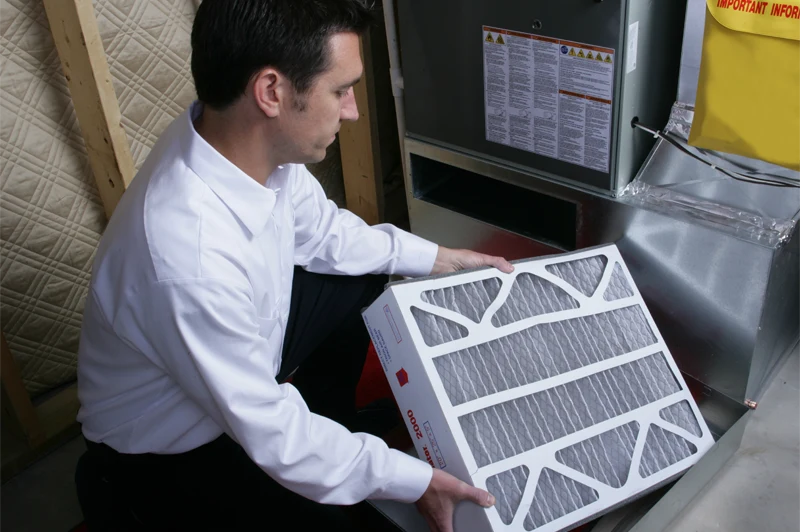
Check the filter every month, and clean or replace it when it is dirty.
However, Kalispell homes with pets, wood-burning fireplaces, construction dust, or allergy concerns may require more frequent replacements. A quick monthly visual inspection is the best way to stay ahead of problems.
At a minimum, always follow the cleaning or replacement schedule recommended by the filter manufacturer.
2. Understanding the Different Types of Furnace Filters
Not all furnace filters perform the same. Choosing the right one affects both indoor air quality and how well your furnace operates.
Disposable Fiberglass Filters
- Lowest cost option
- Good for catching large dust particles
- Minimal impact on indoor air quality
Best for: Homes without pets, allergies, or indoor air quality concerns.
Pleated Filters
- Made from polyester or cotton paper
- Trap smaller particles like pollen and mold
- More efficient, but also restrict airflow faster if not replaced regularly
Best for: Most Montana homes, especially those with pets.
HEPA Filters
According to the EPA, a HEPA filter can remove at least 99.97% of airborne particles 0.3 microns in size. HEPA filters are mostly used in portable air cleaners. A standard furnace filter slot takes a MERV-rated filter, so ask a technician before trying to add HEPA filtration to your system.
Washable/Reusable Filters
- Reusable and long-lasting
- Eco-friendly and cost-effective over time
- Require consistent maintenance to stay effective
Best for: Budget-conscious homeowners willing to clean and dry filters thoroughly and regularly.
MERV Ratings: What They Mean
A filter’s Minimum Efficiency Reporting Value (MERV) tells you how effectively it captures particles. The higher the rating, the better the filter traps small particles:
- MERV 1–4: Basic filtration, large particles only
- MERV 5–8: Good filtration for most homes
- MERV 9–11: Better filtration, ideal for homes with pets
- MERV 12–16: High-performance filters, great for allergies
If you upgrade, the EPA recommends a filter rated at least MERV 13, or as high as your system’s fan and filter slot can handle. A higher rating traps smaller particles but can also restrict airflow more, so ask an HVAC technician for the highest rating that works in your system.
3. Can Furnace Filters Improve Indoor Air Quality?
While a furnace filter’s primary job is to protect your heating system from dust buildup, a clean, high-quality filter can also help improve indoor air quality.
A clean filter can reduce:
- Dust circulation
- Pet dander
- Pollen and spores
- Some smoke particles
However, for more serious indoor air quality concerns, such as wildfire smoke, fine particulates, bacteria or odors, a dedicated HEPA air cleaner or whole-home indoor air quality system is far more effective.
See related: Do Air Conditioners Filter Wildfire Smoke?
4. Cost vs. Value: Is a Better Filter Worth It?
Cheap filters may save money upfront, but they can cost you more over time. Higher-quality filters can:
- Extend the life of your furnace
- Reduce repairs caused by dust buildup
- Improve overall air quality
A pleated filter with the highest MERV rating your system can handle is a strong choice for most Kalispell homes.
A simple tip: keep a 3–6 month supply of replacement filters stored near your furnace and write the replacement date on the filter each time you install a new one.
5. Your Filter Is the First Line of Defense for Your Furnace
Regular filter replacement is one of the easiest and most important maintenance tasks for your heating system. Neglecting it can lead to breakdowns, higher bills, and poor air quality, especially during Montana’s long winter season.
If you’re unsure what filter your system needs or you’re experiencing poor indoor air quality, the experts at Central Heating Cooling Plumbing Electrical can help. Our technicians can inspect your system, recommend the right filter, and offer solutions tailored to your home.
Furnace air filters aren’t just a routine maintenance item. They’re a key part of keeping your home healthy, efficient, and comfortable all winter long.
Have questions about your heating system or indoor air quality? Call the experts at Central Heating Cooling Plumbing Electrical. Your Comfort Is Our Central Concern.