



Experiencing issues with your light fixtures? It can be frustrating, especially after you’ve tried the basics like replacing the bulb or adjusting the socket. Here are a few effective strategies to identify and fix common light fixture problems, such as lights that won’t turn on, overheating fixtures, flickering lights, popping sounds, and other lighting issues from the electricians at Central Heating Cooling Plumbing Electrical.
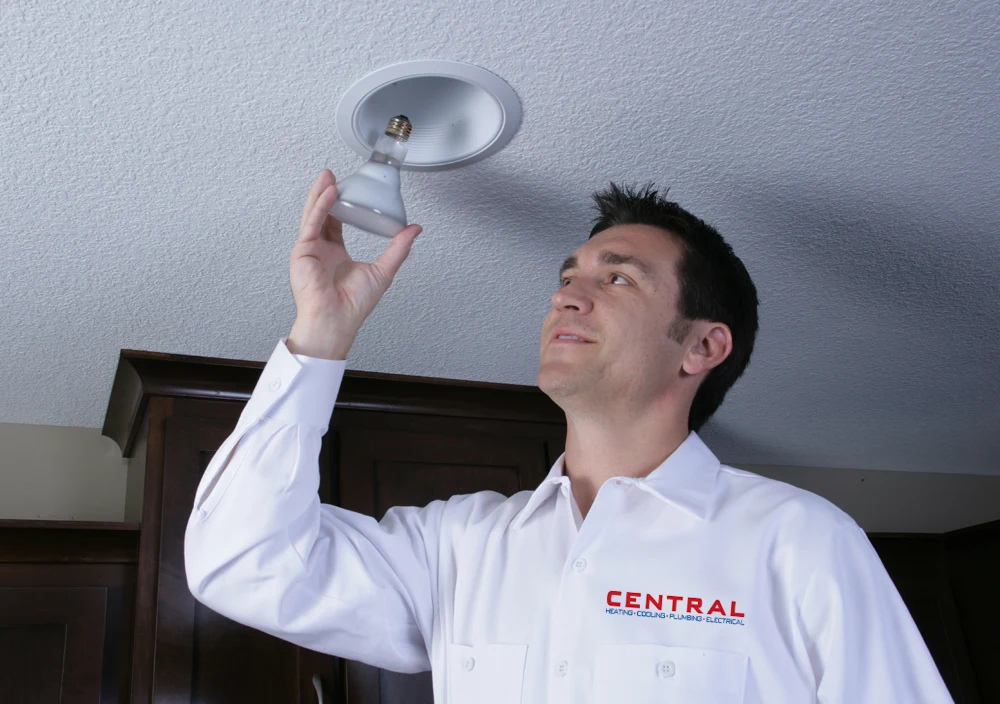
Most light fixture problems come from a few causes: a loose or burned-out bulb, a tripped breaker, a loose wire at the switch, worn switch contacts, an overheating fixture, a flattened socket tab, the wrong bulb wattage or a dimmer that does not match the bulbs.
Start With the Simple Checks
- Make sure the bulb is screwed in firmly, and try a bulb you know works.
- Check that the wall switch is on, and look for a tripped breaker in your panel.
- If the light still will not work, turn off the power at the breaker before you go any further.
1. Check for Loose Wiring at the Switch
A frequent issue is a loose wire connection due to regular use. First, turn off the power at your home’s breaker panel before removing the switch cover to tighten any loose wires. For peace of mind and professional assistance, consider a safety inspection by the electrical experts at Central Heating Cooling Plumbing Electrical.
2. Inspect for Worn-Out Switch Contacts
Flickering lights might indicate deteriorating switch contacts. A telltale sign is a sizzling sound upon flipping the switch. If the switch cover is warm to the touch, gives off a burning smell, or makes unusual sounds, it’s time for a replacement. The Electrical Safety Foundation International (ESFI) warns that unusually warm switches or outlets may indicate an unsafe wiring condition.
3. Solve Overheating in Recessed Lighting
Random on-off cycles in recessed lights often stem from overheating. Because recessed fixtures generate heat inside and enclosed space, they are equipped with safety switches that cut off power to prevent damage. Ensure you’re using bulbs with the appropriate wattage and check for excess insulation around the fixture that could be trapping heat. Persistent issues require a professional check-up by a licensed electrician to check for potential faults like a defective limit switch.
4. Adjust the Light Socket Tab
The brass tab inside the socket ensures snug contact with the bulb base. Over-tightening bulbs can bend this tab down, leading to poor connection and premature bulb failure. Safely disconnect power to the fixture and gently reposition the tab upward slightly using needle-nose pliers for a better fit.
5. Use Compatible Dimmer Switches for LED Bulbs
Older dimmers made for incandescent bulbs can make LED bulbs flicker or buzz, and can shorten their life. Use LED bulbs labeled “dimmable,” with a dimmer rated for LEDs.
6. Use the Right Bulb Wattage
Every fixture has a label with its maximum bulb wattage. According to ESFI, a bulb with a higher wattage than recommended can overheat the fixture, the wiring or nearby materials and start a fire. Check the label before you change bulbs, especially in enclosed and recessed fixtures.
When To Call A Professional Electrician
Many light fixture problems are simple DIY fixes. Call a licensed electrician if you notice any of these:
- A burning smell, or scorch marks on a switch, outlet or fixture
- A switch plate that feels warm, or buzzing and sizzling sounds
- Sparks when you flip a switch, which can be a sign of electrical arcing
- Lights flickering in several rooms, not just one fixture
- A breaker that trips when you turn the light on
See 10 warning signs your home needs an electrical inspection for more. When in doubt, the electricians at Central Heating Cooling Plumbing Electrical can make sure your home’s electrical system is safe.
Light Fixture FAQ
Why does my recessed light turn off by itself?
It is probably overheating. Recessed fixtures have a safety switch that cuts power when they get too hot. Check that the bulb wattage matches the fixture label and that insulation is not packed around the fixture.
Can I use a higher-wattage bulb than the fixture label says?
No. A higher-wattage bulb can overheat the fixture and wiring and start a fire.
Why does my light flicker?
A loose bulb, worn switch contacts or a dimmer that does not match the bulbs are common causes. If lights flicker in more than one room, have an electrician check the wiring.
It’s important to remember that working with electricity requires caution, and it’s essential to prioritize safety by turning off the power before attempting any repairs.
