



During our hot Montana summer months, keeping your home’s central air conditioning system in top condition is essential for ensuring its efficiency, prolonging its lifespan, and maintaining a comfortable indoor environment. One essential part of AC maintenance is the cleaning of the condenser and evaporator coils. This guide will walk you through the importance of coil cleaning, how to do it yourself, and when it’s time to call in the professionals at Central Heating Cooling Plumbing Electrical.
Clean your outdoor condenser coil once a year, ideally in spring before the cooling season starts. Have the indoor evaporator coil checked every year during AC maintenance and cleaned when it needs it.
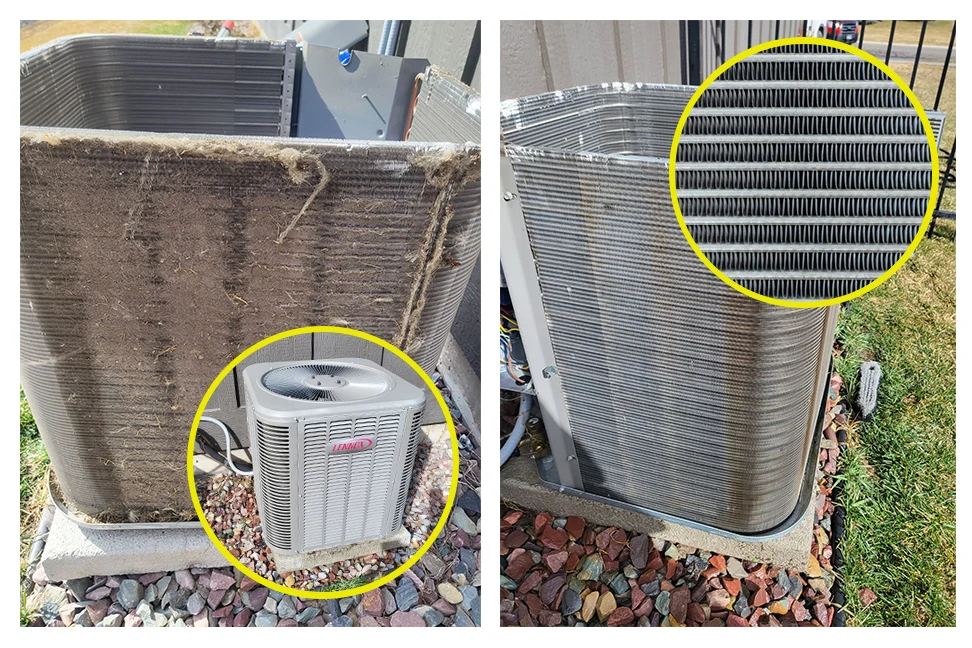
What Are AC Coils?
A central air conditioner has two coils. The evaporator coil sits indoors, in a cabinet attached to the furnace or air handler, and absorbs heat from the air in your home. The condenser coil sits in the outdoor unit and releases that heat outside. Both coils collect dirt over time, but they get dirty in different ways and are cleaned in different ways.
The Importance of Regular Central AC Coil Cleaning
ENERGY STAR notes that dirty coils reduce the ability of the system to cool your home and make it run longer, which raises energy costs and shortens the life of the equipment. A clean air filter keeps the evaporator coil from getting dirty quickly. The outdoor condenser coil gets dirty faster when the area around it is dusty or has plants nearby. Dirty coils force the AC to work harder, increasing energy consumption and leading to higher utility bills. Moreover, neglected coils can cause the system to overheat, leading to costly repairs or even premature replacement.
How to Clean Your Outdoor Condenser Coil
When to Clean
It’s best to clean your AC coils at least once a year, ideally during the spring before the cooling season begins.
Tools You’ll Need
- Soft brush
- Coil cleaner
- Garden hose (for outdoor condenser coils)
- Fin comb
Step-by-Step Guide
- Safety First! Always turn off the power to your AC unit before starting any maintenance work. Locate the AC circuit breaker inside your service panel and move the switch to the off position.
- To access the coils, you will need hand tools to remove the access panel.
- Gently brush off any loose debris from the coils using a soft brush.
- Spray the coils with a commercial coil cleaner, following the instructions on the product label.
- Rinse off the coils. After allowing the cleaner to sit, rinse the coils gently with a hose. Avoid using a pressure washer, as it can damage the fins.
- Straighten the fins using a fin comb to straighten any bent fins. Excessively bent coils will reduce airflow.
Once you have completed cleaning the unit, reinstall the cover. Keep bushes, grass and branches trimmed at least 2 feet back from the unit so air can flow freely around the coil.
Should You Clean the Evaporator Coil Yourself?
The evaporator coil is harder to reach. It sits inside an enclosed cabinet, and cleaning it means removing panels and working near the refrigerant lines and the condensate drain pan. ENERGY STAR recommends a professional check-up before each cooling season, and cleaning the evaporator and condenser coils is part of that check-up. For most homeowners, that job is best left to the technician during annual AC maintenance.
Signs Your AC Coils Need Cleaning
- Ice on the indoor coil or the refrigerant lines. Dirty evaporator coils are one of the common reasons an AC freezes up.
- Weak cooling, or warm air from the vents.
- The system runs longer than usual, and your energy bills rise.
- Visible dirt, grass clippings or cottonwood fluff on the outdoor coil.
When to Call a Professional
While DIY maintenance can go a long way, certain situations call for professional attention, including:
Significant Buildup
If the coils are heavily soiled, it may require specialized cleaning agents and tools that professionals are trained to use.
Damage Inspection
Professionals can inspect for and repair any damage that might be affecting your system’s performance.
Annual Checkup
Even with regular DIY maintenance, having a professional service your AC system annually is important for ensuring optimal performance and identifying potential issues early.
Professional AC Maintenance Benefits
Professional AC maintenance includes a thorough inspection of the entire system, cleaning of the coils, checking the refrigerant levels, testing the thermostat, inspecting electrical connections, and more. The benefits of professional maintenance include:
Extended System Life
Regular professional maintenance can significantly extend the lifespan of your AC unit.
Improved Efficiency
Clean coils and a well-maintained system operate more efficiently, saving you money on energy bills.
Preventing Major Repairs
Routine inspections can catch small issues before they turn into costly repairs.
AC Coil Cleaning FAQ
How often should AC coils be cleaned?
Clean the outdoor condenser coil once a year, ideally in spring. The indoor evaporator coil should be checked every year and cleaned when it is dirty.
Can I use a pressure washer on my AC coils?
No. A pressure washer can bend and damage the thin metal fins on the coil. Rinse gently with a garden hose instead.
Is coil cleaning part of AC maintenance?
Yes. Professional AC maintenance from Central Heating Cooling Plumbing Electrical includes cleaning the coils, along with checking refrigerant levels, testing the thermostat and inspecting electrical connections.
Maintaining clean AC coils is just one important step for ensuring your system runs efficiently and effectively. While coil cleaning is a task many homeowners can handle on their own, recognizing when to call in the professionals is key to keeping your system in its best condition.
By enlisting the help of Central Heating Cooling Plumbing Electrical each spring, you can enjoy a more comfortable home, lower energy bills, and the peace of mind that comes with a well-maintained AC system.
